
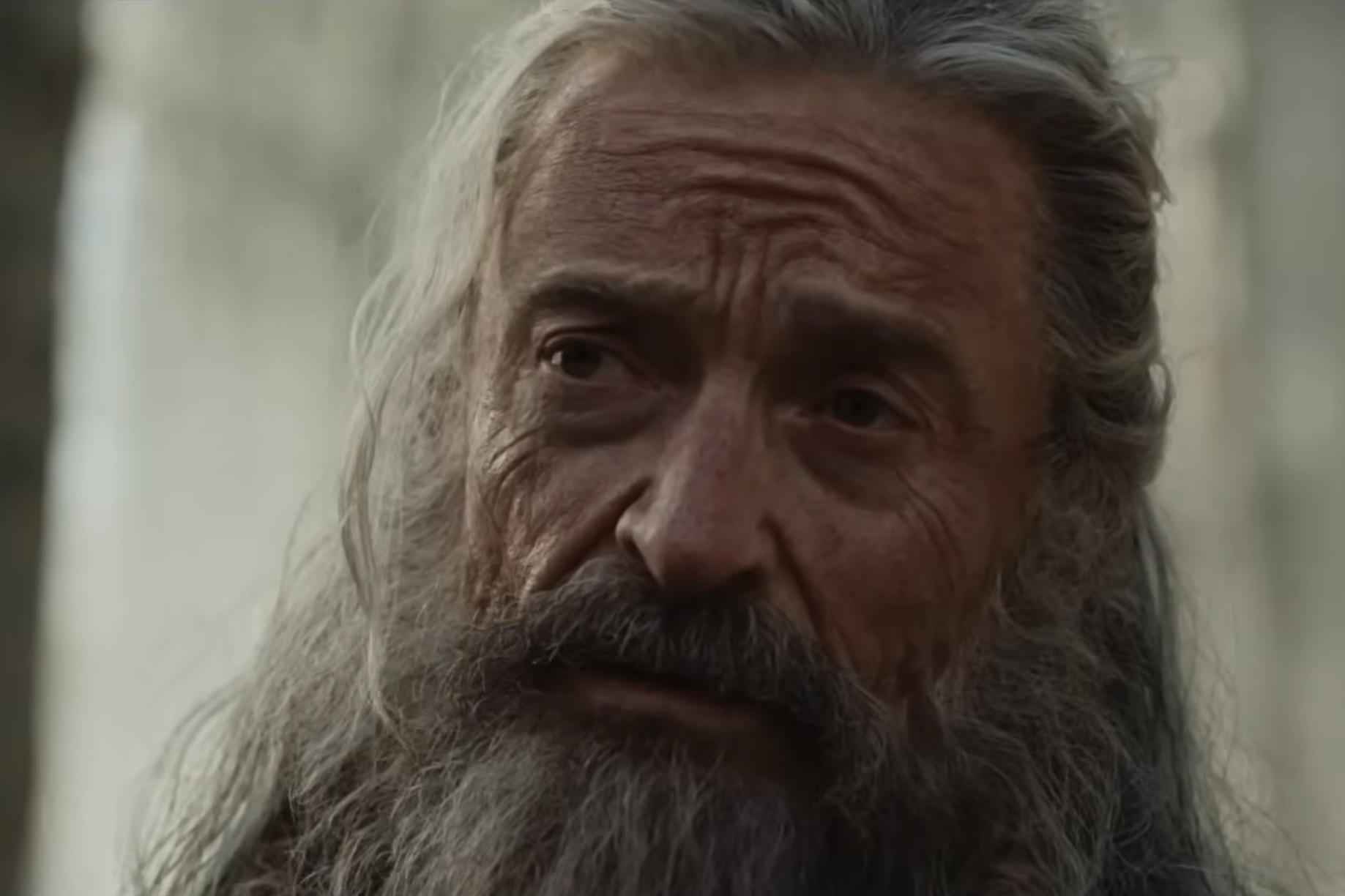
Hey there everyone! Welcome back to Movie Soapbox, the little corner of the internet that only you and I and that guy sleeping in the corner over there know about. This is the place where we find films that the studio system was too scared to greenlight and we talk about them at length. Today I want to talk about The Death of Robin Hood, which is an A24 film directed by Michael Sarnoski, and I want to talk about it because it is one of the most interesting things to happen to a legendary character in recent memory and almost nobody is paying attention to it because they saw “Robin Hood” in the title and mentally filed it next to the other Robin Hood films and moved on.
Stop doing that. This is not those films.
Now. Everything from here is spoiler-free but still fair warning that I am going to talk about the shape of this film in ways that might color your viewing experience. If you want to go in completely cold — and I actually think that is the right call here — go watch it and come back. For everyone else let’s get into it.
Michael Sarnoski is a director who made his debut with Pig, which is the Nicolas Cage truffle pig movie that turned out to be about grief and identity and the culinary industry and was not at all about truffle pigs in any meaningful sense. It was one of the best films of that year and it announced Sarnoski as a filmmaker who was interested in using genre frameworks to talk about things the genre was not equipped to say. He then made A Quiet Place Day One which was a studio film and fine and you will not remember it in five years. And now he has made The Death of Robin Hood which is his return to the Pig frequency and it is glorious.
What Sarnoski has done is take the oldest trick in the prestige filmmaker playbook and execute it with complete commitment. He has asked the question: what if the legendary hero was not a hero. What if he was just a man who was very good at violence and the legend grew up around him the way legends do, obscuring the actual person underneath. Hugh Jackman plays this version of Robin Hood and he plays it with a nuance and a weariness that I did not expect from him. This is not the Wolverine performance. This is something more interior and more complicated and frankly more interesting than anything he has been asked to do in a long time.
And then there is Jodie Comer. I need you to understand that Jodie Comer is operating on a different level than almost anyone working in film right now. She plays a prioress named Sister Brigid who takes Robin in after he is wounded, and what she does with that role is extraordinary — she plays genuine faith as a form of radical clarity rather than innocence, and the scenes between her and Jackman are the best thing in the film. The critics who dismissed this movie mostly dismissed it because they found it too slow and too remote. Those critics were not watching Jodie Comer closely enough.
Is it perfect? No. The second act drags in places where it should be building and there are stretches where Sarnoski’s austerity shades into something closer to withholding. The Metacritic score of 63 is honest — this is a film that divided critics cleanly between people who found it profound and people who found it merely cold. I am firmly in the first camp but I understand the second camp’s complaint.
What I cannot understand is the impulse to dismiss this film because it does not deliver the Robin Hood film you expected. That was never what this was going to be. This is a film about what myth costs the person the myth is built on. It is about whether redemption is possible for a man whose identity has been violence for so long that he cannot locate anything underneath it. It is shot in Northern Ireland with a 2.4:1 aspect ratio that gets switched to 1.66:1 partway through as the story moves from the open landscape to the enclosed priory — a formal choice so precise and purposeful that it made me want to stand up and applaud the fact that someone was still making these decisions deliberately.
A24 made this possible. Sarnoski could not have made this film for a studio that needed a Robin Hood franchise. The budget was small enough that he was allowed to end the film the way the film needed to end rather than the way a marketing department would have ended it. That is the entire argument for the kind of filmmaking this site exists to champion. Remember that the next time you see a Robin Hood film from a major studio that ends with a sequel hook and a triumphant score. Compare that to what Sarnoski did here. And then ask yourself which one you actually wanted.
Movie Mike’s verdict: 4 out of 5. Go watch it before it disappears from theaters and you have to explain to people why you’re crying at a Robin Hood movie.